
How to Organize a Burial Ceremony in Ibadan, Oyo State: A Complete Guide for Families
Organizing a burial ceremony is a significant responsibility for families, particularly when they want to honour the life and legacy of a loved one while welcoming relatives, friends, and well-wishers.
In Ibadan and across Oyo State, burial ceremonies may involve several activities, including family meetings, religious services, funeral arrangements, guest reception, catering, and memorial celebrations. Bringing these elements together requires careful planning, coordination, and attention to the family's wishes.
Whether you are planning a modest burial ceremony or a large funeral reception, this guide explains the essential steps to organizing a dignified and memorable occasion.
1. Begin With a Family Planning Meeting
The first step in organizing a burial ceremony is bringing the relevant family members together to establish priorities and agree on the arrangements.
A family meeting helps clarify expectations, responsibilities, and financial commitments before major decisions are made.
During the meeting, discuss:
- The preferred burial date and schedule.
- The type of burial ceremony the family wishes to organize.
- Religious and cultural considerations.
- The expected number of guests.
- The proposed budget.
- The venue for the ceremony and reception.
- Family representatives responsible for coordinating arrangements.
- Whether professional event management assistance is required.
It is helpful to appoint a small planning committee or designated family representatives who can communicate decisions and coordinate activities.
This can reduce confusion and help ensure that the family's wishes are respected throughout the planning process.
2. Establish a Realistic Burial Ceremony Budget
A well-defined budget helps families make informed decisions and avoid unnecessary financial pressure.
The cost of a burial ceremony depends on several factors, including the number of guests, venue, catering, decoration, transportation, religious arrangements, and the scope of the reception.
Your budget may include:
- Funeral and burial-related expenses.
- Venue rental.
- Event planning and coordination.
- Reception decoration and styling.
- Catering and refreshments.
- Seating and furniture rentals.
- Sound equipment and entertainment, where appropriate.
- Printing of programmes and memorial materials.
- Guest transportation arrangements.
- Security and event logistics.
- Contingency funds.
Discuss the financial contributions available and establish a spending limit that the family can reasonably manage.
Request quotations from relevant service providers and compare the scope of services rather than focusing only on the lowest price.
Planning tip: Keep a record of payments, outstanding balances, quotations, and financial commitments. This helps the family maintain transparency and manage expenses effectively.
3. Decide on the Type of Burial Ceremony
Burial ceremonies in Ibadan and Oyo State may reflect different family traditions, religious practices, and personal preferences.
Depending on the family's wishes, the arrangements may include:
- A church or religious funeral service.
- A burial ceremony followed by a reception.
- A traditional burial gathering.
- A memorial service or celebration of life.
- A private family burial followed by a larger reception.
- A combination of religious, cultural, and family activities.
The appropriate format should be determined by the family in consultation with relevant religious leaders and other people whose involvement is necessary.
Once the format is established, it becomes easier to plan the venue, programme, guest arrangements, and other logistics.
4. Choose a Suitable Venue in Ibadan
The venue is an important part of the burial ceremony because it affects guest comfort, accessibility, decoration, catering, and event logistics.
Depending on the family's requirements, possible venues include:
- Event centres.
- Hotels.
- Community halls.
- Church premises, where permitted.
- Private residences.
- Gardens or outdoor event spaces.
- Other suitable reception facilities.
When selecting a venue, consider the following:
Guest capacity: Can the venue comfortably accommodate the expected number of attendees?
Accessibility: Is it convenient for guests travelling from different parts of Ibadan and Oyo State?
Parking: Is there adequate parking space or an alternative transportation arrangement?
Facilities: Are restrooms, seating, ventilation, power supply, and other facilities appropriate?
Catering arrangements: Does the venue provide a suitable space for food preparation or service?
Decoration requirements: Are there restrictions on decoration, equipment installation, or external vendors?
Security: Are arrangements available to manage guests, vehicles, and event access?
Cost: Does the quotation include cleaning, security, equipment, and other charges?
Visit shortlisted venues and confirm the booking terms before making a commitment.
For events involving elderly guests or people travelling from outside Ibadan, accessibility and clear directions should receive particular attention.
5. Prepare a Guest List and Invitation Plan
The number of guests expected at the burial ceremony will influence the budget, venue capacity, catering, seating, and reception arrangements.
Start by estimating the expected attendance.
Depending on the family's preferences, invitations may be extended to:
- Immediate and extended family.
- Friends and neighbours.
- Religious communities.
- Colleagues and professional associates.
- Community representatives.
- Other invited guests.
Families may choose printed invitations, digital invitations, or a combination of both.
The invitation should communicate:
- The name of the deceased.
- The burial ceremony date.
- The location of the relevant activities.
- The service or reception time.
- Directions to the venue.
- Appropriate dress-code information, where applicable.
- Contact details for further information.
For larger ceremonies, designate people to assist with guest communication and enquiries.
Clear communication can help guests arrive at the appropriate venue and time.
6. Plan the Funeral Reception Decoration
Decoration can contribute to creating a dignified atmosphere that reflects the family's wishes and honours the memory of their loved one.
The decoration should be appropriate to the nature of the ceremony, the venue, the family's preferences, and the available budget.
Possible decoration elements include:
- A carefully designed entrance.
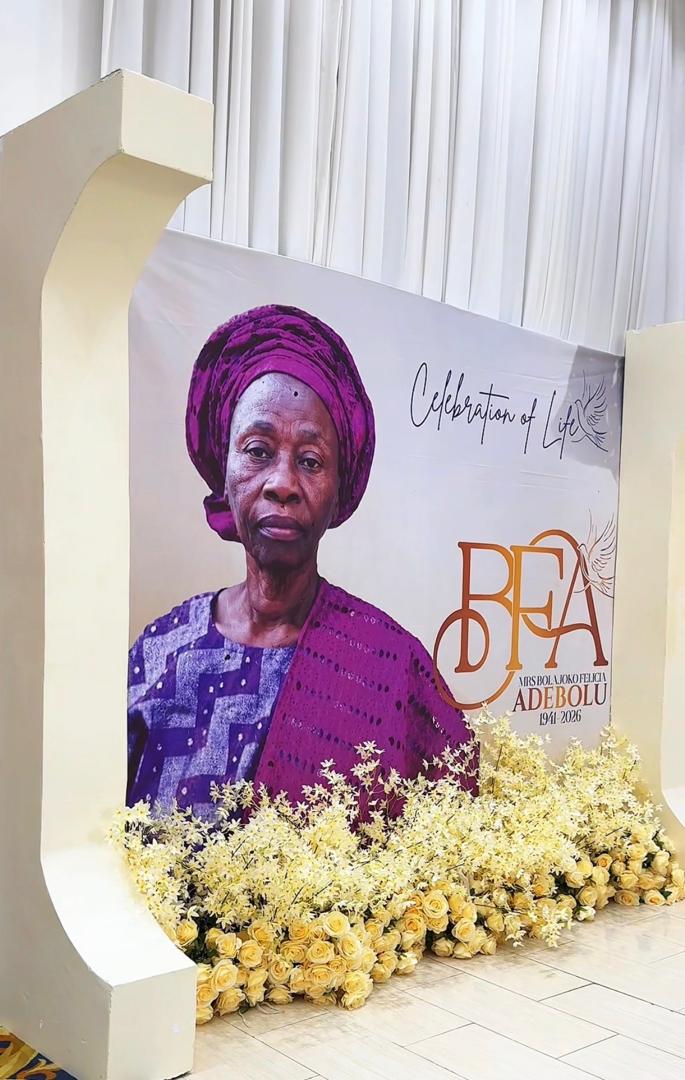
- A memorial backdrop or display.
- Floral arrangements.
- Guest seating and table settings.
- Appropriate stage or presentation areas.
- Tribute displays and photographs.
- Signage and directional information.
- Thoughtfully selected colours and decorative materials.
Some families prefer understated and elegant decoration, while others may choose more elaborate styling for a large reception.
The important consideration is that the design should be respectful and aligned with the family's expectations.
When engaging a decorator, discuss the proposed design, venue layout, installation time, materials, transportation, and any additional charges.
Decoration tip: Prioritize a welcoming reception space, comfortable seating, clear movement routes, and a suitable area for memorial displays or tributes.
7. Organize Catering and Guest Hospitality
Food and refreshments are important considerations for many burial receptions in Nigeria.
The catering arrangements should reflect the expected number of guests, the family's preferences, the available budget, and the duration of the reception.
Depending on the event, the menu may include:
- Jollof rice.
- Fried rice.
- Amala and traditional soups.
- Pounded yam and other traditional meals.
- Assorted proteins.
- Snacks and refreshments.
- Bottled water and other beverages.
When selecting a caterer, discuss:
- The menu and portion sizes.
- The estimated number of guests.
- Food preparation and delivery.
- Serving arrangements.
- Catering staff requirements.
- Drinks and refreshments.
- Additional charges.
- Procedures for accommodating dietary needs.
Confirm whether the venue has adequate facilities for catering operations.
For larger receptions, consider how food service will be organized to avoid unnecessary queues and ensure guests can be served comfortably.
8. Coordinate Ushers, Guest Reception, and Seating
A burial ceremony may attract guests from different communities, family backgrounds, and professional circles.
A structured guest reception arrangement can help make the occasion more orderly and welcoming.
Depending on the size of the event, consider assigning responsibilities for:
- Welcoming guests.
- Directing attendees to appropriate seating.
- Assisting elderly guests.
- Providing directions to important areas.
- Managing guest movement.
- Coordinating special seating arrangements.
- Supporting the family and designated representatives.
For larger ceremonies, ushers and event coordinators can help manage these responsibilities.
It is also helpful to identify people who can respond to questions from guests and provide necessary information.
The objective is to create an environment where guests feel welcomed and the family can focus on the ceremony and their loved ones.
9. Prepare the Burial Ceremony Programme
A clear programme helps the family, guests, religious leaders, and service providers understand the sequence of activities.
The schedule will depend on the family's religious practices, cultural requirements, and preferences.
A typical programme may include:
- Arrival of guests.
- Religious service or opening activities.
- Family tributes.
- Memorial presentations.
- Burial-related proceedings.
- Reception activities.
- Meal service.
- Closing remarks.
Not every ceremony will include all these activities.
Confirm the programme with the relevant family representatives and religious leaders.
Where several activities take place at different locations, account for travel time and communicate the schedule clearly.
Share the final programme with the people responsible for coordinating the ceremony, reception, catering, and guest arrangements.
10. Coordinate Vendors and Service Providers
A burial ceremony may involve several service providers working together.
Depending on the family's requirements, these may include:
- Event planners.
- Decorators.
- Caterers.
- Rental companies.
- Ushers.
- Sound and audiovisual providers.
- Printing vendors.
- Transportation providers.
- Security personnel.
Before confirming each vendor, establish the scope of service, pricing, payment terms, availability, and responsibilities.
Keep a central record of vendor contact details and booking confirmations.
For larger ceremonies, a designated coordinator can communicate with vendors, monitor setup, and help resolve operational issues.
This is particularly useful when family representatives are also expected to participate in the ceremony and receive guests.
11. Prepare for Unexpected Changes
Even with careful planning, burial ceremonies may experience last-minute changes.
Potential challenges include:
- Changes in attendance.
- Traffic delays.
- Vendor arrival problems.
- Weather conditions.
- Power interruptions.
- Venue access issues.
- Changes to the programme.
- Unexpected expenses.
Discuss reasonable contingency arrangements with the people responsible for the ceremony.
For outdoor receptions, consider an appropriate alternative in case of rain.
For events involving sound equipment, lighting, or other electrical installations, discuss suitable power arrangements with the relevant providers.
Keep important contact details accessible and ensure designated representatives know who to contact when an issue arises.
Planning for common challenges can help reduce confusion and allow the family to focus on the purpose of the occasion.
12. Consider Professional Funeral Event Management
Organizing a burial ceremony can place considerable responsibility on family members, particularly when they are simultaneously managing personal commitments and receiving guests.
Professional event management may help families coordinate the reception, vendors, decoration, catering arrangements, guest management, and event-day logistics.
The level of assistance required will depend on the family's preferences and the size of the ceremony.
Some families may need full event management, while others may only require coordination for the reception or specific aspects of the event.
Before engaging a professional, clarify the responsibilities included in the agreement, the payment arrangements, and the people who will be assigned to coordinate the ceremony.
A well-defined service arrangement helps everyone understand their roles and expectations.
13. Final Burial Ceremony Planning Checklist
Use this checklist to review the arrangements before the burial ceremony.
Family and planning
- Family planning meeting completed.
- Burial date confirmed.
- Ceremony format agreed upon.
- Planning responsibilities assigned.
- Budget established.
- Venue booked.
Guests and communication
- Guest list prepared.
- Invitations distributed.
- Directions communicated.
- Guest reception arrangements confirmed.
- Seating arrangements reviewed.
Reception and vendors
- Decoration design approved.
- Catering arrangements confirmed.
- Vendors booked.
- Vendor arrival times agreed.
- Sound and equipment arrangements confirmed.
- Ushers and coordinators briefed.
- Venue setup schedule prepared.
Event programme
- Ceremony programme confirmed.
- Religious or cultural arrangements coordinated.
- Reception schedule prepared.
- Family representatives informed.
- Contingency arrangements reviewed.
Final preparations
- Outstanding payments reviewed.
- Venue inspection completed.
- Important contacts shared.
- Event-day responsibilities communicated.
- Final coordination meeting completed, where necessary.
Frequently Asked Questions About Burial Ceremony Planning in Ibadan
How do I organize a burial ceremony in Ibadan?
Begin with a family meeting to establish the date, budget, guest count, and ceremony format. Select a suitable venue, coordinate invitations, arrange catering and decoration, and prepare the programme. Depending on the size of the event, professional event management assistance may be helpful.
How much does a burial ceremony cost in Ibadan?
The cost depends on the number of guests, venue, catering, decoration, transportation, and other arrangements. Obtain quotations based on your specific requirements and establish a realistic budget before making commitments.
Can I hire an event planner for a burial reception?
Yes. Families can engage event planners to assist with reception planning, coordination, decoration, guest management, and other agreed responsibilities. Confirm the exact services included before booking.
What decoration is appropriate for a burial reception?
The appropriate decoration depends on the family's preferences, cultural expectations, and the nature of the ceremony. Some families prefer understated floral arrangements and memorial displays, while others choose more elaborate reception styling. The design should always be respectful and reflect the family's wishes.
How do I manage a large burial reception?
A large reception may require a suitable venue, organized seating, catering coordination, ushers, vendor management, and a clear programme. Assigning responsibilities to a planning team or professional coordinator can help improve organization.
Should I book a venue before confirming the guest list?
It is advisable to establish an estimated guest count before booking. This helps you select a venue with suitable capacity, facilities, and accessibility.
Conclusion
Organizing a burial ceremony in Ibadan or anywhere in Oyo State requires careful coordination, thoughtful planning, and sensitivity to the family's wishes.
From preparing the budget and selecting a venue to arranging catering, decoration, guest reception, and the event programme, every detail contributes to a dignified and well-organized occasion.
Families do not have to manage every aspect of the reception alone. Where appropriate, professional event management assistance can help coordinate the arrangements and reduce the administrative burden on family representatives.
Planning a burial ceremony or funeral reception in Ibadan or Oyo State?
Pleasant Jay Events can be your point of contact for professional funeral event management, reception coordination, and decoration services, subject to the services available for your event.
Contact Pleasant Jay Events to discuss your requirements, preferred arrangements, and available service options.
Tell us about your funeral timeline, guest count, what you have settled and what is still open. Start the conversation on WhatsApp or fill in our brief.